







Search Results for: Taiwan Tea No. 21
A Century of Taiwanese Black Tea Evolution: From the Japanese Colonial Introduction of Assam to a Flavor Comparison of Tai Cha No. 18 and Tai Cha No. 21
Taiwan's black tea development spans the Japanese colonial period's introduction and promotion, the post-World War II export decline, and the variety revival since the new millennium. In 1923, Assam tea seeds were introduced from India, and Sun Moon Lake became the most successful production area thanks to its 600-800 meter elevation and humid, misty climate. In 1936, the Taiwan Tea Research and Extension Station was established, and black tea once accounted for more than half of Taiwan's total output. After 1971, export trade shrank, and tea farmers switched to producing oolong tea. It was not until 1999 and 2008 that TRES successively released TTES No. 18 (Ruby Black Tea) and TTES No. 21, injecting new vitality into Taiwan's black tea. This article will trace this history, compare the flavor characteristics of the two representative varieties, and introduce the high-quality Taiwan black teas recommended by Front Street Coffee. [more…]

Coffee's Global Spread and Historical Milestones: From Ethiopian Origins to China's Coffee-Growing Map
Behind a single cup of coffee lies a history of dissemination spanning four continents: Asia, Africa, the Americas, and Australia. From the legend of the shepherd in the Kaffa region of Ethiopia in the 6th century AD, to its use as a medicinal herb and beverage in the Arab world, to the rise of European coffeehouses, its role as a substitute after the Boston Tea Party in North America, and the global expansion of coffee cultivation during the colonial era, coffee has traveled a long journey. Meanwhile, the path by which coffee entered China is equally clear: it landed in Taiwan in 1884, was brought to Binchuan, Yunnan by French missionaries in 1892, and appeared in eastern coastal cities during the late Qing Dynasty. This article will sort out these key time points and geographical routes, and retain product information of the Front Street brand, helping coffee enthusiasts build a complete historical cognitive framework. [more…]
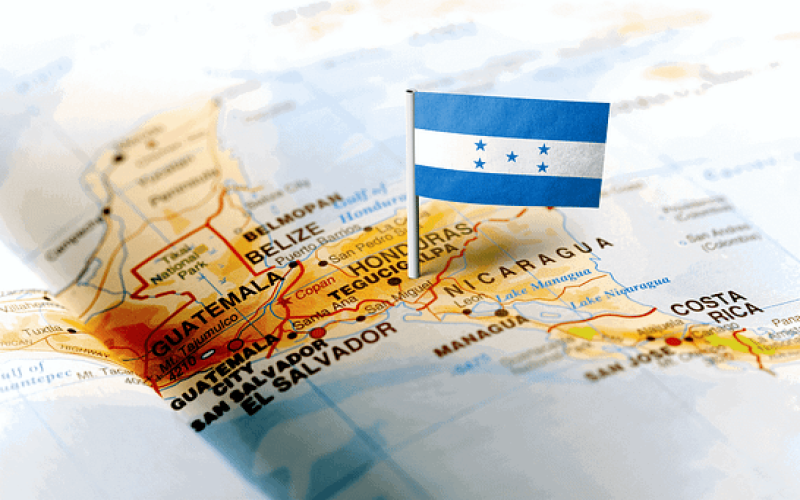
Key Points for Brewing Honduran Pour-Over Coffee and a Detailed Guide to Washed Beans from San Juan and Other Regions
Although Honduras is a latecomer to the Central American coffee industry, it has risen rapidly thanks to its production advantages and distinctive flavors. This article systematically reviews the characteristics of Honduran washed coffee beans, from producing regions and grading to specific brewing parameters. Using several Honduran beans as examples, Front Street Coffee shares a complete practical approach from roasting curves to staged extraction, helping coffee enthusiasts master the key points of pour-over Honduran coffee and presenting its balanced expression of floral and fruity notes with nutty and chocolate tones. [more…]
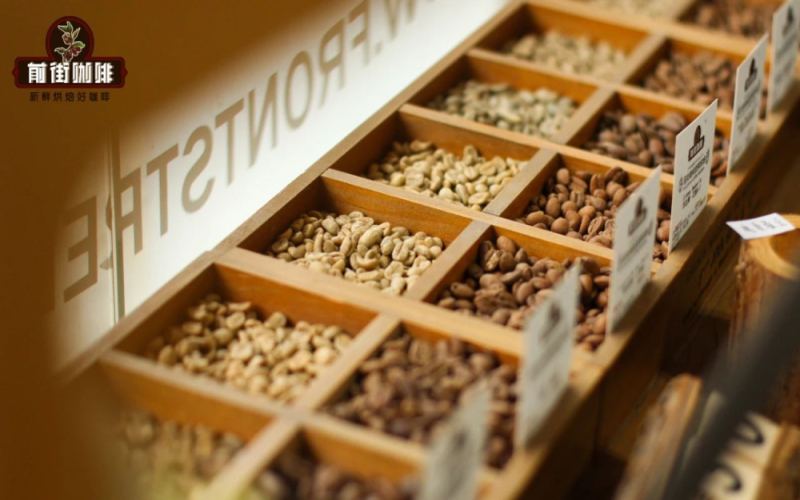
The Past and Present of Honduras Sweet Orange Estate Catuai Coffee Beans and a Pour-Over Flavor Analysis
Honduras, as a Central American coffee producer that has risen to prominence, is known for its coffee's floral and fruity aromas and soft juicy notes, along with exotic spicy hints and a rich, nutty-chocolate finish. This article starts with Honduras's geographical conditions and coffee development history, systematically outlining its altitude classification and defect grading standards, detailing the flavor characteristics of its six major producing regions, and highlighting the Catuai coffee beans from the Sweet Orange Estate in the La Paz region. Front Street Coffee will share this bean's roasting curve, cupping performance, and pour-over parameters, providing coffee enthusiasts with a complete brewing reference. [more…]
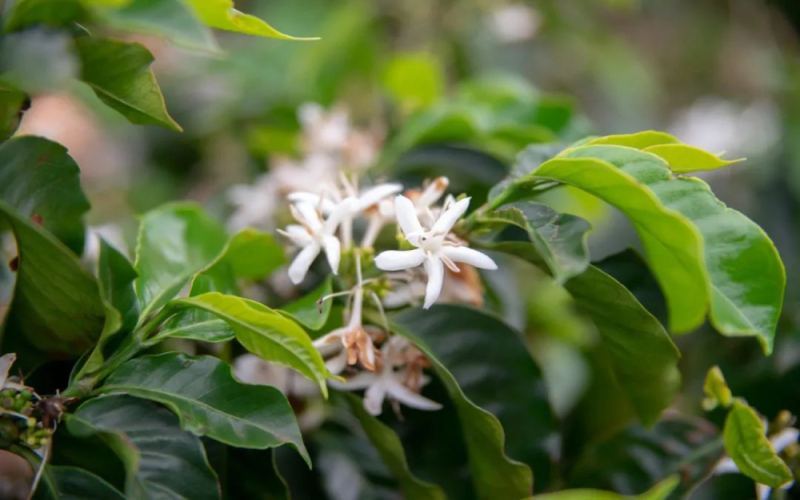
Why Does Geisha Coffee Remain the Top of the Specialty Coffee World? From the Origin of the Name "Geisha" to a Full Analysis of Brewing in Panama's Boquete Region
Since Geisha won the Panama BOP competition in 2004, it has remained the most talked-about variety in specialty coffee, with auction prices repeatedly hitting new highs and helping many baristas reach the champion's stage. Where exactly do its elegant floral aromas and citrus notes come from? Why are there two Chinese names for it, "艺妓" and "瑰夏"? This article will start with the variety's origins, the evolution of its naming, and the discovery story of Hacienda La Esmeralda, and will also include Front Street Coffee's recommended brewing parameters and flavor description for Geisha from the Boquete region of Panama, giving you a comprehensive understanding of this legendary bean. [more…]
An In-Depth Explanation of the Meaning of 90+ Single-Origin Bean L195: A Complete Guide to the Flavor Description System and Grading Rules
90+ (Ninety Plus) is a highly regarded green coffee brand in the specialty coffee world, and its unique flavor symbols and Level grading system often leave enthusiasts confused. This article will start with the L195 grade, systematically sorting out 90+'s grading logic, the meanings of its flavor symbols, its exclusive processing methods (Red, Ruby, Solkiln), and the Profile Processing production system. At the same time, it will explain in detail the representative 90+ coffees recommended by Front Street Coffee, including the flavor characteristics of beans such as Perci, Straight Talk, and Lotus, and their corresponding grades, helping readers fully understand this legendary brand's green coffee philosophy. [more…]
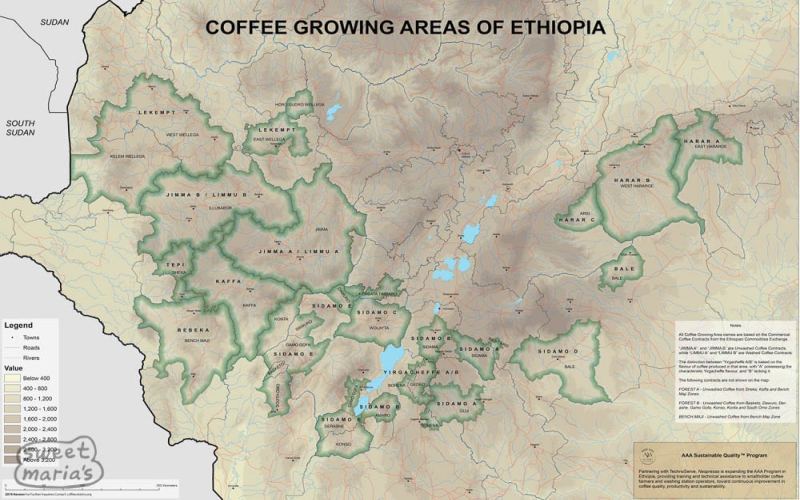
A Complete Guide to Ethiopian Coffee Regions: Yirgacheffe Altitude Characteristics and a Flavor Guide to Nine Major Regions
Ethiopia, the birthplace of coffee, nurtures over five thousand native coffee varieties in the Kaffa forests of its south. After the administrative boundary adjustments in 1995, Sidamo Province was redivided, Yirgacheffe was placed under the Gedeo Zone, and it is common to see old and new production area names used interchangeably in the market. This article combines the latest administrative divisions to systematically review the altitude, cultivation patterns, and flavor characteristics of Ethiopia's nine major coffee-producing regions, takes a deep look at the evolution of the washed and natural processing methods in Yirgacheffe, and shares Front Street Coffee's cupping experience and brewing suggestions for representative beans such as Huakui 8.0, providing coffee lovers with a complete guide to Ethiopia's coffee-producing regions. [more…]
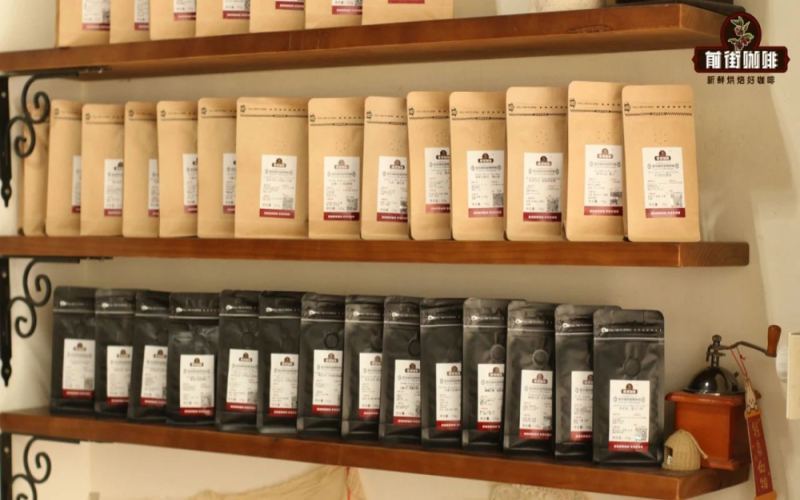
A Complete Guide to Honduras's Six Major Coffee Regions: Flavor Profiles, Grading System, and Origin Stories
Honduras is located in northern Central America. Although its coffee industry started relatively late, it has risen rapidly thanks to its excellent natural conditions and has become an important global producer of Arabica coffee. This article will systematically review Honduras's coffee development history, geographical advantages, and grading system, and introduce one by one the six major producing regions of Copán, Opalaca, Montecillos, Comayagua, Agalta, and El Paraíso. At the same time, it will also present Front Street Coffee's bean selection and brewing practices in Honduras, helping coffee lovers gain a comprehensive understanding of the unique charm of this Central American coffee newcomer. [more…]
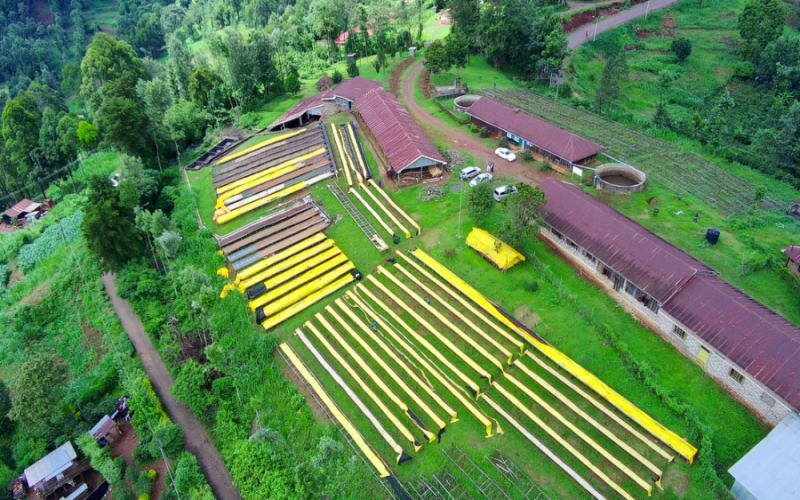
Kenyan Coffee Beans AA and AB Grades Explained: From Grading Standards to SL Varieties and the K72 Process
Kenya, as a representative producing country of East African specialty coffee, is known for coffee beans with bright fruity acidity and a full body. This article systematically sorts out Kenya's coffee grading system, from E, AA, AB to PB, C, and other grades in terms of bean size and characteristics, and introduces the geographical advantages of major producing regions such as Nyeri and Thika. At the same time, it provides an in-depth analysis of the flavor differences among classic varieties such as SL28 and SL34, as well as Kenya's signature K72 double fermentation washing method. The article also includes the brewing parameters and flavor description of Front Street Cherry Tomato Coffee, providing coffee lovers with a complete reference from bean selection to extraction. [more…]
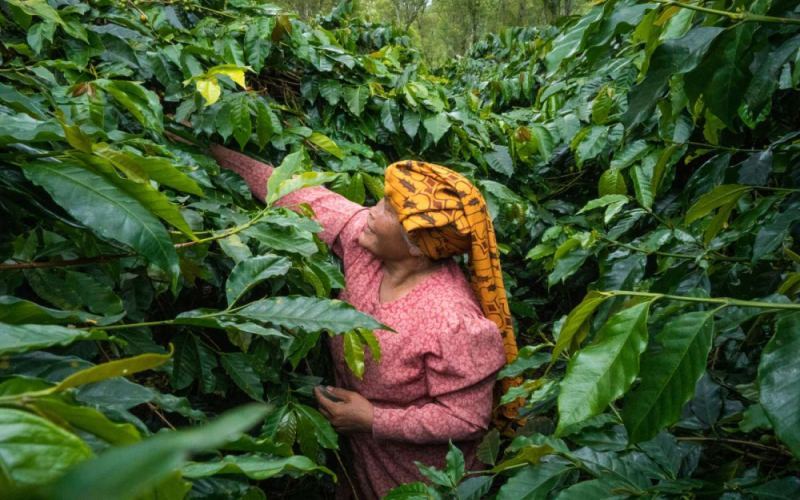
Yunnan Catimor Coffee Beans: Flavor Characteristics, Variety Origins, and Brewing Guides for Three Devices
Catimor is a hybrid of Timor and Caturra, developed in 1959 by the Portuguese Coffee Leaf Rust Research Center and known for its disease resistance and high yield. In Yunnan's coffee industry, Catimor has become the dominant variety, and Front Street Coffee labels it as "Yunnan Small Bean," distinguishing it from the "Yunnan Specialty Coffee" Typica. This article will start from Catimor's varietal origins, botanical characteristics, and cultivation across global producing regions, then sort out the producing environment and historical context of Yunnan coffee, and, based on Front Street Coffee's roasting and cupping, present in detail the flavor differences and operating parameters under three brewing methods—the Kalita trapezoidal dripper, Hario V60, and siphon—to help coffee lovers understand this bean's expressiveness more comprehensively. [more…]
Panama Hacienda La Esmeralda Geisha Coffee Beans: Grading, Roasting, Flavor Analysis, and Origin Introduction
Panama, as a coffee-producing country in Central America, nurtures exceptional specialty coffee through its unique microclimates and fertile volcanic soil. Among these, the Geisha variety from Hacienda La Esmeralda has sparked a revolution in the specialty coffee world, repeatedly setting auction records. This article provides a detailed introduction to Panama's coffee-growing environment, the history of Hacienda La Esmeralda, the flavor characteristics of Geisha coffee, and the Geisha situation in Guatemala's Acatenango growing region, offering a comprehensive understanding of this legendary coffee variety. [more…]
Ninety Plus Candela and the Complete Guide to the Ninety Plus Brand: The Specialty Coffee System from Ethiopia Sidama to Panama Geisha
In the world of specialty coffee, Ninety Plus (Ninety+) is a name that cannot be overlooked. Founded by Joseph Brodsky in 2006, the company started with Ethiopian native varieties and redefined the way green coffee is produced through its unique Profile Processing system. This article begins with Ninety Plus's Candor, a Front Street Coffee natural-process Sidamo, and systematically reviews the terroir characteristics of the Sidamo region, the brand philosophy and founder's story of Ninety Plus, and core processing methods such as natural processing and Solkiln, then interprets one by one classic product lines such as Kemgin, Nekisse, Perci, and Lotus along with their grading system, and finally includes the roasting analysis and cupping performance of Front Street Coffee 90+ Candor, providing coffee lovers with a complete Ninety Plus knowledge map. [more…]
Where Do the Names Geisha and Yiji Come From? A Full Analysis of the Variety's Origins, Its Rise to Fame in Panama, and Pour-Over Parameters
At the 2004 Best of Panama (BOP) competition, a previously unknown variety won first place with a record-breaking score, forever changing the landscape of specialty coffee—it was the Gesha. Many people wonder upon first encountering it: why is it also called "Geisha"? Where did these two Chinese names come from? This article follows the historical thread, tracing the complete journey of Gesha from being collected on Gesha Mountain in Ethiopia, passing through African research stations, settling in Panama, and then gaining fame when Hacienda La Esmeralda entered it independently in competition. It also explains the origins and trade-offs of the two translated names "Geisha" and "Guixia," and includes Front Street Coffee's pour-over recommendations and flavor descriptions for Gesha from the Boquete region, for beginners to reference. [more…]
The Origin of the Geisha Coffee Name and the History of Its Variety Development: The Evolution of the Chinese Translation from Gesha to Guixia
Since winning the Panama BOP competition in 2004, Geisha coffee has firmly held the top spot in the specialty coffee world, and its elegant, refreshing flavor has captivated countless coffee lovers. However, many people discover when researching that this variety has another Chinese name — 艺妓 coffee beans. Both names refer to the same Gesha variety, but why are there two translations? What historical origins and naming considerations lie behind this? This article will trace the complete story of Geisha, from its discovery on Ethiopia's Gesha Mountain to its introduction to Panama and rise to fame, and explain the reasons and significance behind the translation "瑰夏" replacing "艺妓." At the same time, the article will also share Front Street Coffee's brewing recommendations and flavor description for Geisha from the Boquete region of Panama, for readers who are new to this variety. [more…]

Ethiopia, the African Coffee Country: Production Regions, Variety Processing, and the Flavor Secrets of Yirgacheffe and Sidamo
As Africa's largest coffee producer, Ethiopia's connection to coffee goes far beyond a beverage—from wedding ceremonies to traditional remedies, coffee has long been woven into the daily life of local people. This article systematically reviews Ethiopia's coffee cultivation system and the distribution of its nine major producing regions, analyzes the flavor characteristics and processing method differences of two representative specialty coffees, Yirgacheffe and Sidamo, and also introduces how the Red Cherry Project operates, the current state of coffee variety records, and the ECX grading system. The article also combines Front Street Coffee's roasting and brewing suggestions to provide coffee enthusiasts with a complete reference from understanding producing regions to actual brewing. [more…]
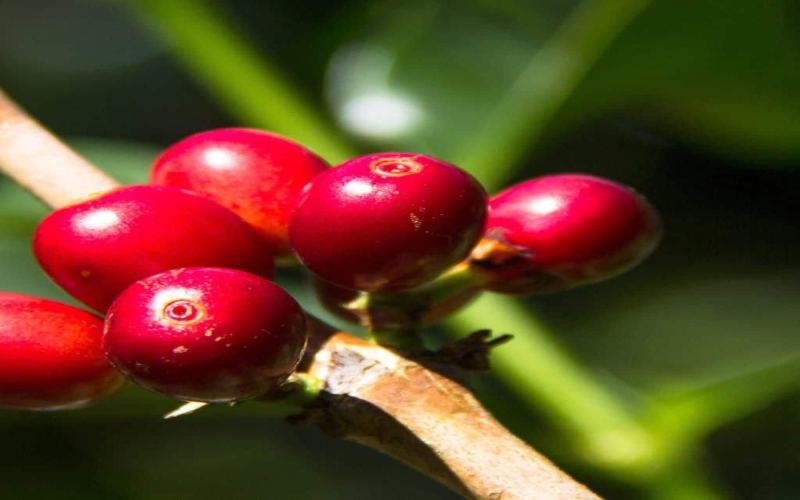
Complete Guide to Geisha Coffee Beans: From Origin and Spread to Taste Grades and Flavor Differences with Huakui
Geisha, hailed as the most legendary coffee variety of the 21st century, has become an undisputed star in the specialty coffee world thanks to its stunning cupping performance and ever-rising auction prices. But where exactly did Geisha come from? Is it the same bean as Huakui? How do you distinguish between the Red Label, Green Label, and Volcanic Rock lots from Panama's Hacienda La Esmeralda? How does the product line from Gesha Village in Ethiopia differ? This article, led by Front Street Coffee (FrontStreet Coffee), will systematically trace Geisha's rise to fame, its varietal characteristics, and its flavor expression across different producing regions, along with practical brewing suggestions to help coffee lovers gain a comprehensive understanding of this legendary variety. [more…]
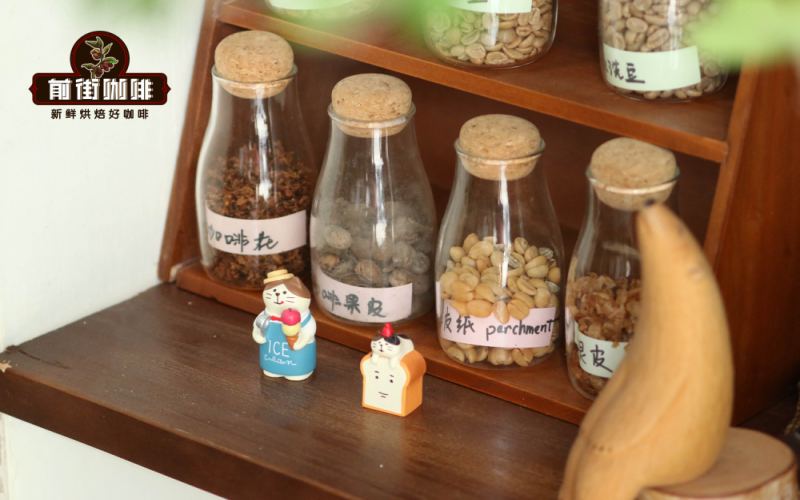
A Complete Guide to the Geisha Coffee Variety: From Its Origins and Rise to Fame to Red, Green, and Blue Label Grading and Brewing Parameters
Geisha is arguably the most legendary variety in the specialty coffee world of the 21st century, with its cupping performance and auction prices repeatedly setting new records. The saying, "If you don't know Geisha in your life, you can't truly call yourself a connoisseur," captures its status in the coffee circle. This article systematically traces Geisha's nearly century-long journey from the forests of Ethiopia to the championship stage in Panama, clarifies its relationship with names like Huakui and Yiji, explains in detail the respective grading systems of Hacienda La Esmeralda and Gesha Village, and compares the flavor differences between the two major origins of Panama and Ethiopia. The article also includes a Geisha brewing recipe from FrontStreet Coffee to help enthusiasts fully unlock the delicate layers of this expensive bean. [more…]
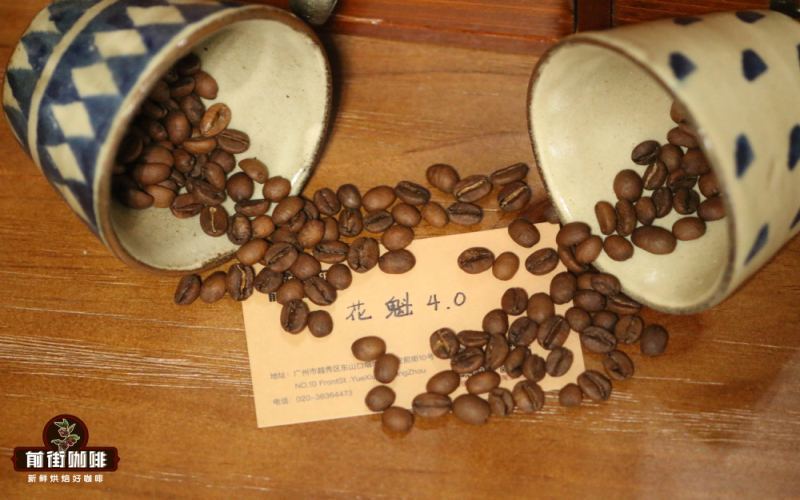
A Full Analysis of the Origin Legend and Flavor Characteristics of Each Generation of Ethiopian Gesha Coffee Beans
Huakui coffee is one of the most talked-about natural beans from Ethiopia in recent years, winning over countless coffee lovers with its signature strawberry-cream flavor. Why was this bean given the name "Huakui" (meaning "chief of flowers")? From its 2017 TOH championship to today's Huakui 5.0 and 6.0, what is the connection and difference between the various versions? From the perspective of Front Street Coffee, this article sorts out the origin of the Huakui name, its version evolution, producing-area background, and variety characteristics, and also includes Front Street's roasting approach and V60 brewing parameters, giving you a comprehensive understanding of this Ethiopian coffee that combines both story and flavor. [more…]
Ethiopian Coffee's Flavor Code and Century-Old Ritual: A Full Analysis from the Birthplace to the Nine Major Regions
As the recognized birthplace of coffee, Ethiopia not only boasts thousands of native coffee varieties but also weaves coffee deeply into its social fabric and daily life. From the hour-and-a-half-long coffee ceremony to the flavor differences among its nine major regions such as Yirgacheffe and Sidamo, this article guides you through a systematic understanding of the cultural core and cultivation landscape of Ethiopian coffee. Front Street Coffee will also share roasting and brewing suggestions along with flavor descriptions for Yirgacheffe and Sidamo, helping coffee enthusiasts gain a more comprehensive understanding of this specialty coffee nation. [more…]
Tracing the Origins of Geisha Coffee Beans: From Ethiopia to Panama, Is It Really an Arabica Variety?
Is Geisha coffee bean an Arabica variety? What variety does the Panamanian Geisha coffee tree originate from? These are questions many coffee enthusiasts often have when encountering Geisha. In fact, Geisha is precisely a precious variety under the Arabica species, and its legendary journey began in Ethiopia in the 1930s, then passed through Kenya and Tanzania to Costa Rica, and finally shone brilliantly in Panama. Front Street Coffee, through numerous cupping sessions, has had its understanding repeatedly refreshed by Geisha's fresh floral aroma, rich fruity notes, and refreshing tea-like body. This article will comprehensively sort out Geisha's varietal classification, historical transmission path, flavor characteristics, and how Hacienda La Esmeralda pushed it to the throne of top-tier coffee, while also sharing Front Street's recommended Panama Hacienda La Esmeralda Red Label Geisha and its brewing suggestions. [more…]